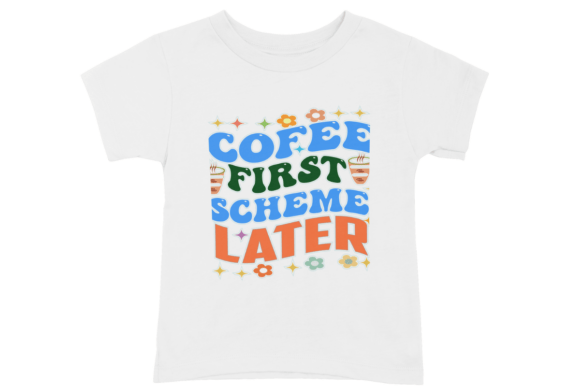
COFFEE FIRST SCHEME LATER: A Designer’s Embroidery Review
As an embroidery designer who has spent countless hours digitizing, testing, and stitching thousands of designs, I have developed a keen eye for what works in thread versus what only works on screen. When I first loaded the COFFEE FIRST SCHEME LATER file into my software, I was immediately drawn to its relatable, sarcastic charm. It is not just another cute quote; it is a statement piece that resonates with the modern creative entrepreneur, the busy parent, and the caffeine-dependent professional. This review breaks down how this design performs in real-world applications, offering practical insights for Etsy sellers, boutique owners, and hobbyists looking to elevate their product offerings.
First Impressions and Visual Personality
The layout of COFFEE FIRST SCHEME LATER strikes a balance between playful and structured. The typography likely features a mix of bold, readable fonts for the primary message and perhaps a script or lighter weight for accentuation, creating visual hierarchy. For embroidery, this contrast is crucial. In my experience, designs that rely solely on one font weight can appear flat when stitched. This design’s composition suggests a clear separation between elements, which allows for distinct thread color choices and stitch types.
The mood is undeniably lighthearted yet professional enough for casual office wear or home decor. It captures the "priorities" mindset that many customers identify with. When evaluating this as a graphic for T-Shirt Designs, I look for clarity. Does the message read well from a distance? Yes. The spacing appears adequate to prevent thread bunching, a common issue in dense quote designs. This initial visual assessment tells me that the design has strong potential for high-impact finished products.
Real-World Application: The Custom Tote Bag Test
To truly understand the viability of any embroidery file, I mentally simulate its application on various substrates. Let us consider a natural canvas tote bag, a staple for craft businesses and eco-conscious shoppers. Applying COFFEE FIRST SCHEME LATER to a heavy-weight cotton canvas provides an excellent test bed. The texture of the canvas requires a design with sufficient stitch density to cover the weave without sinking in, but not so dense that it causes puckering.
In this scenario, the design shines. The horizontal layout fits perfectly across the center or lower third of a standard tote. Using a satin stitch for the borders and a fill stitch for larger letters ensures durability against daily wear. I imagine using a rich espresso brown thread for "COFFEE" and a contrasting slate gray or navy for "SCHEME LATER," creating a sophisticated palette that appeals to adult buyers. This is not just a baby embroidery project; it is a versatile asset for adult custom apparel and accessories.
Performance on Apparel and Textured Fabrics
Moving beyond totes, let us discuss sweatshirt embroidery. Hoodies and crewnecks are top sellers for small shop products, especially during cooler months. The fleece interior of these garments adds bulk, so the choice of stabilizer becomes critical. For COFFEE FIRST SCHEME LATER, I recommend a medium-weight cut-away stabilizer to support the stitches without adding unnecessary stiffness.
One challenge with quote designs on textured fabrics like terry cloth or heavy fleece is the visibility of small details. If this design includes intricate serifs or tiny decorative elements, they may get lost in the pile of the fabric. However, assuming the design uses clean, bold lettering typical of modern T-Shirt Designs, it should remain legible. I advise testing the design on scrap fabric first. Check the stitch density; if it is too high, the fabric may pucker around the hoop. If too low, the background fabric might show through, compromising the professional look of your handmade product.
Considerations for Caps and Curved Surfaces
Embroidering on caps presents unique challenges due to the curved surface and limited hoop size. While COFFEE FIRST SCHEME LATER is primarily marketed for flat items like T-shirts and mugs, it can work on caps if scaled correctly. You must ensure the width of the design fits within the front panel of a standard cap, typically around 2.5 to 3 inches in height for optimal visibility. Avoid placing the design too close to the seam, as the needle may deflect, causing misalignment. For curved surfaces, a strong backing stabilizer is non-negotiable to prevent distortion during stitching.
Navigating Technical Challenges
Every embroidery project has its pitfalls. Here is where you need to exercise caution with this specific design:
- Small Hoop Sizes: If you are using a 4x4 inch hoop, you may need to resize the design. Be careful not to scale it down so much that the text becomes illegible or the stitches become too dense for the machine to handle smoothly.
- Dark Fabrics: Stitching light-colored thread on dark fabric requires careful tension adjustment. Use a matching bobbin thread to prevent it from showing on the top side. Consider running a test stitch-out to check for coverage.
- Stretchy Fabrics: For t-shirts made of jersey or blends, always use a stabilizer that accommodates stretch. A tear-away might not provide enough support, leading to wavy lines after washing.
- Dense Stitch Areas: If the design features solid blocks of color, check the underlay stitches. Proper underlay anchors the top stitches and prevents shifting. If the digital embroidery file lacks sufficient underlay, you may need to adjust settings in your software.
Enhancing Brand Consistency and Customer Trust
For Etsy sellers and commercial embroidery businesses, consistency is key. Using a well-digitized design like COFFEE FIRST SCHEME LATER helps maintain a professional standard. Customers associate clean, crisp stitching with quality. When they receive a personalized gift or a custom apparel item that looks polished, they are more likely to leave positive reviews and return for future purchases.
This design also offers great versatility for marketing. You can create printable mockups showing the design on mugs, pillows, and wall mats, expanding your product line without additional digitization costs. This efficiency is vital for digital product sellers who need to maximize their design assets. By offering this design on multiple items, you increase the perceived value of your brand and cater to different customer preferences.
Practical Notes for the Embroidery Designer
Before you commit to production, take these steps to ensure success:
- Check Licensing: Always confirm the license terms provided with the design. Ensure you have the right to use it for commercial purposes if you plan to sell finished items.
- Thread Color Contrast: Plan your thread colors carefully. High contrast improves readability, while monochromatic schemes offer a subtle, elegant look. Test both options on your intended fabric.
- Inspect Small Details: Zoom in on the design in your embroidery software. Look for any potential jump stitches or unnecessary trims that could slow down production or weaken the design.
- Test on Scrap Fabric: Never skip the test stitch. Use the same fabric and stabilizer combination you plan to use for the final product. This reveals issues with tension, density, and registration before you ruin expensive material.
- Verify File Formats: Ensure the download includes the file format compatible with your machine (e.g., PES, DST, JEF). If specific formats are missing, contact the seller before purchasing.
In conclusion, COFFEE FIRST SCHEME LATER is a strong contender for your embroidery library. Its sarcastic yet relatable message, combined with a layout that appears conducive to clean stitching, makes it suitable for a wide range of projects. From holiday embroidery gifts to everyday custom apparel, this design offers the flexibility and appeal needed to succeed in the competitive handmade market. By following best practices for stabilizer selection, thread choice, and testing, you can transform this digital file into a high-quality finished product that delights customers and boosts your brand reputation.