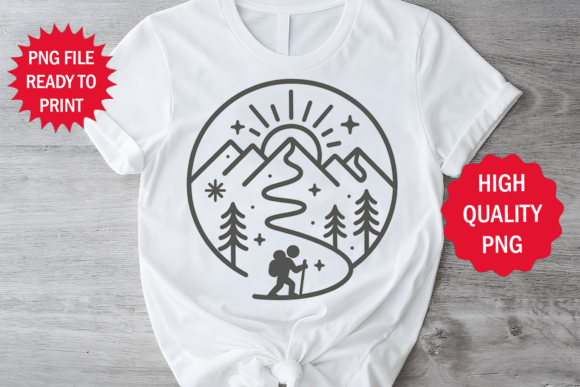
Hill Adventure Pine Tree Line Art Review
As a designer who has spent countless hours digitizing and stitching out thousands of patterns, I have learned that not every graphic translates well to thread. When I first encountered the Hill Adventure Pine Tree Line Art Design, my initial reaction was one of cautious optimism. The concept is timeless—mountains and pines evoke a sense of wanderlust and calm—but the execution in line art can be tricky. Too thin, and the stitches vanish; too dense, and the fabric puckers. I decided to put this design through its paces to see if it holds up in real-world embroidery scenarios, particularly for those of us running small shops or creating personalized gifts.
First Impressions and Visual Mood
The aesthetic of this piece is clean and modern. It relies heavily on negative space and continuous lines to define the silhouette of the pine trees and the rolling hills behind them. For an embroidery project, this is both a blessing and a challenge. The mood is distinctly outdoorsy and serene, making it an excellent candidate for brands or individuals who identify with nature, hiking, or minimalist lifestyles. Unlike complex shaded illustrations, this line art approach feels light and airy. It does not scream for attention but rather invites a closer look, which is exactly what you want in high-quality design assets intended for apparel.
When viewing the source file, which is categorized under Freebies and Graphics, it is important to remember that what looks crisp on a screen may behave differently under the needle. The delightful simplicity of the design suggests it was originally created for print applications like t-shirts or posters. Translating this to a machine embroidery design requires careful consideration of stitch types. A direct conversion without adjustment could result in fragile running stitches that snag easily. However, if digitized or adjusted correctly, the linear quality offers a sophisticated, hand-drawn feel that elevates the perceived value of the finished product.
Real-World Application: The Tote Bag Test
To evaluate its practicality, I envisioned using this design on a canvas tote bag, a staple item for any Etsy seller or craft fair vendor. Canvas is forgiving, but it has a distinct texture. I imagined placing the pine tree line art on the lower right corner of the bag, leaving plenty of negative space to emphasize the minimalist theme. In this context, the design shines. It acts as a subtle branding element or a decorative accent rather than an overwhelming centerpiece.
I also considered its application on a sweatshirt embroidery project. Here, the stakes are higher. Sweatshirt fleece is thick and plush. If the line work is too fine, it will get lost in the pile of the fabric. For this application, I would recommend increasing the stitch width slightly or using a satin stitch border around the main lines to ensure visibility. The Hill Adventure Pine Tree Line Art Design works best here if scaled up appropriately. On a baby onesie, however, I would proceed with caution. While baby embroidery often benefits from simple designs, the sharp points of the pine needles need to be smooth enough to avoid irritating sensitive skin. A soft backing and careful trimming of jump stitches are non-negotiable in this scenario.
Fabric and Hoop Considerations
One of the critical aspects of using line art in embroidery is understanding how it interacts with different materials. On stable, woven fabrics like cotton twill or linen, the design should hold its shape well, provided you use the correct stabilizer. A cut-away stabilizer is often safer for garments that will be washed frequently, as it provides ongoing support to the stitches. For stretchy fabrics, such as jersey knits used in t-shirts, the risk of distortion is real. The horizontal lines of the hills could pull and warp if the tension is not perfectly balanced.
Regarding hoop size, this design is versatile. It can be scaled down for a pocket placement on a shirt or scaled up for a back panel on a hoodie. However, do not assume that smaller is always better. If you shrink the design too much for a small hoop, the details of the tree branches may merge into a solid blob of thread. Always test your specific embroidery file settings on scrap fabric before committing to your final garment. This is especially true if you are working with dark fabric. Light thread on dark fabric requires precise density to prevent the background from showing through the stitches, which can ruin the clean look of the line art.
Commercial Viability and Branding
For commercial embroidery professionals and small shop product creators, consistency is key. This design offers a cohesive look that can be part of a larger collection. Imagine pairing it with other nature-themed elements to create a series of personalized gift items. The universal appeal of pine trees means it sells year-round, not just during holiday embroidery seasons. It fits seamlessly into boutique branding that values sustainability and outdoor adventure.
However, since this item is listed among Freebies, licensing is a major factor. You must verify whether the license allows for commercial use of the digital embroidery file or if it is strictly for personal projects. Many free graphics are not cleared for resale on physical goods. Assuming the license permits it, this design can be a low-risk entry point for testing new product lines. It allows you to gauge customer interest in nature-themed aesthetics without a significant upfront investment in custom digitizing.
Practical Designer Notes
Before you load this design into your machine, keep these technical tips in mind:
- Check Stitch Density: Line art should generally have lower density to maintain flexibility. High density will make the fabric stiff and prone to puckering.
- Thread Choice Matters: Use a high-sheen rayon or polyester thread to give the lines definition. Matte threads might blend too much into the fabric texture, losing the graphic impact.
- Test on Scrap: Always run a test stitch-out on the same fabric type you intend to use. Check for thread breaks and registration issues.
- Review Small Details: Zoom in on the tips of the pine trees. If they are single stitches, consider reinforcing them or slightly blunting the tips to prevent unraveling after washing.
- Contrast Check: View your mockup in black and white. If the design disappears, you need to adjust your thread color or increase the stroke weight.
Final Verdict
The Hill Adventure Pine Tree Line Art Design is a promising asset for designers who appreciate minimalism. It is not a plug-and-play solution for every fabric type, but with proper adjustments and testing, it can produce stunning results on tote bags, sweatshirts, and home decor items. Its strength lies in its versatility and emotional resonance. For the craft business owner, it represents an opportunity to create elegant, understated products that appeal to a broad audience. Just remember to respect the technical limitations of line art in embroidery. With the right stabilizer, thread, and fabric combination, this design can elevate your custom apparel offerings and add a touch of wilderness charm to your portfolio.
Whether you are creating an embroidered patch for a local hiking club or a set of kitchen towels for a wedding gift, this design holds potential. Treat it with the care it deserves, verify your licensing terms, and let the simplicity of the pine trees speak for itself. In a market saturated with overly complex designs, sometimes the quiet confidence of a well-executed line drawing is exactly what captures a customer’s heart.