Review: The World Famous Grill Master at Work
As a designer who has spent countless hours digitizing and testing embroidery patterns, I approach every new machine embroidery design with a mix of curiosity and skepticism. We have all seen those flashy digital previews that look incredible on a screen but turn into a tangled mess of thread breaks and puckering on actual fabric. That is why I took a close, practical look at The World Famous Grill Master at Work. This isn’t just about whether it looks cute; it is about whether it holds up in the real world of custom apparel, boutique merchandise, and handmade gifts.
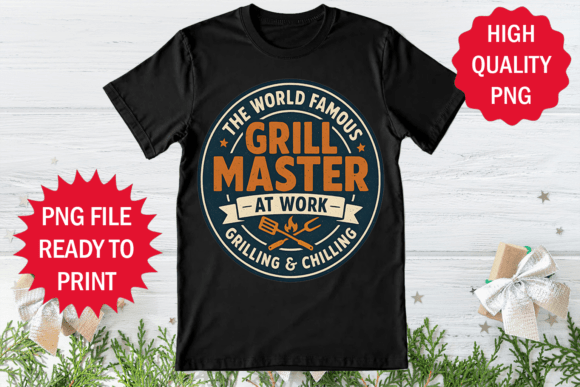
My first impression of this graphic was its bold personality. It captures a specific, humorous mood that resonates immediately with anyone who takes their backyard cooking seriously. The layout is dynamic, featuring strong lines and a clear focal point that suggests confidence and fun. For embroidery designers and Etsy sellers, this visual clarity is crucial. A design that relies too heavily on subtle gradients or microscopic details often fails when translated into thread. However, The World Famous Grill Master at Work appears to have the structural integrity needed for successful stitching, provided you understand its limitations and strengths.
Real-World Application: The Custom Apron Test
To truly evaluate a design, you have to imagine it on a product. I visualized this pattern stitched onto a heavy-duty canvas apron for a client who runs a small barbecue catering business. This is a classic use case for commercial embroidery projects where branding needs to be both professional and approachable. The theme of the design fits perfectly here. It acts as an icebreaker, adding a layer of personal charm to what could otherwise be a sterile uniform.
When considering sweatshirt embroidery or hoodie customization, the design’s scale becomes important. On a larger garment like a hoodie, the graphic has enough room to breathe. The shapes are distinct, meaning the fill stitch areas should lay flat without excessive bulk, assuming the digitizer has used appropriate underlay stitches. For a tote bag design, the same logic applies. The sturdy fabric of a canvas tote supports the weight of the threads, ensuring the final product feels premium rather than flimsy. This versatility makes it a strong candidate for various design assets in a crafter’s portfolio.
Navigating Fabric and Hoop Constraints
While the design is versatile, it is not universal. One of the most critical aspects of reviewing any embroidery file is identifying where it might fail. For instance, if you are planning to use this on a curved surface like a cap, you need to be cautious. Caps have limited hoop space and a challenging texture. If the design includes fine lettering or intricate corners, these can easily distort on the stiff, structured front panel of a baseball cap. I would recommend testing a smaller version or simplifying the elements if you intend to use it for headwear.
Fabric texture also plays a massive role. On thin or stretchy fabrics, such as lightweight performance tees or silky blends, the stitch density of this graphic could cause puckering. Without a proper stabilizer, the tension from the threads might pull the fabric out of shape, ruining the clean lines of the grill master motif. For best results, stick to medium-to-heavy weight cottons, denim, or canvas. If you must use lighter materials, consider using a cut-away stabilizer to provide long-term support, especially if the item will be washed frequently.
Another consideration is color contrast. Since this is described as a colorful graphic, it relies on vibrant thread colors to pop. On dark fabrics, you may need to add a white underlay or adjust the sequence of colors to ensure the details remain visible. Always test your design on scrap fabric before committing to the final piece. This simple step saves time, money, and reputation, particularly for small shop products where margins are tight.
Commercial Value and Customer Appeal
From a business perspective, The World Famous Grill Master at Work has strong potential for increasing perceived value. Customers are not just buying a shirt or a mug; they are buying a personality. This design taps into the popular niche of hobbyist chefs and outdoor enthusiasts. For handmade product sellers, this means higher engagement and shareability. A customer is more likely to post a photo of their new embroidered apron on social media if the design is witty and well-executed, providing free marketing for your brand.
However, professionalism is key. The difference between a amateur-looking item and a boutique-quality piece often comes down to stitch cleanliness. Ensure that your machine is properly threaded and tensioned. Check for thread breaks in dense areas, and trim jumps carefully. These small details build customer trust. When a buyer receives a personalized gift that looks polished and durable, they are more likely to return for future purchases. This design, when executed well, reinforces the idea that your craft business values quality.
Practical Notes for Designers and Makers
Before you load this into your machine, there are several technical checks you should perform. First, verify the file format compatibility with your specific embroidery machine. While most modern machines accept common formats like PES, DST, or EXP, it is always safer to confirm. Next, review the stitch count if available. A high stitch count on a small area can lead to needle heat and thread breakage. If the design feels too dense, consider resizing it slightly larger to allow the stitches to spread out.
- Test on Scrap Fabric: Always run a test stitch-out on the same type of fabric you plan to use for the final product. This reveals issues with tension, density, and color blending.
- Check Licensing: Confirm the license terms for the digital embroidery file. Ensure you have the right to use it for commercial purposes if you plan to sell finished items like custom apparel or embroidered patches.
- Evaluate Detail Level: Look closely at any text or small icons within the design. If they are too small, they may not stitch out clearly. You might need to simplify or remove tiny elements for smaller hoop sizes.
- Color Planning: Map out your thread colors beforehand. Use a color chart to match the digital preview as closely as possible, keeping in mind that thread sheen differs from screen pixels.
In conclusion, The World Famous Grill Master at Work is a promising addition to your library of T-Shirt Designs and Graphics. It offers a blend of humor and style that appeals to a broad audience. By respecting the technical constraints of embroidery—such as fabric choice, stabilizer use, and hoop size—you can transform this digital asset into a high-quality physical product. Whether you are creating holiday embroidery gifts for family or stocking your online store with unique baby embroidery items for the little ones who love to watch dad cook, this design has the potential to shine. Just remember: the magic is in the execution. Take your time, test thoroughly, and let the quality of your stitching speak for itself.