Reviewing Daddy’s Angel for Baby Apparel
As a designer who spends more time staring at stitch simulations than I do sleeping, I have learned that not every cute graphic translates well to thread. We often see Print Templates and Graphics marketed as universal solutions, but embroidery is a different beast entirely. It has texture, tension, and physical limitations. Recently, I evaluated the DADDY S ANGEL - BABY T SHIRD DESIGN to determine if it holds up under the needle or if it is merely a pretty picture meant for direct-to-garment printing. My goal was to assess its viability for real-world applications, from boutique baby showers to small Etsy shop inventories.
First Impressions and Visual Mood
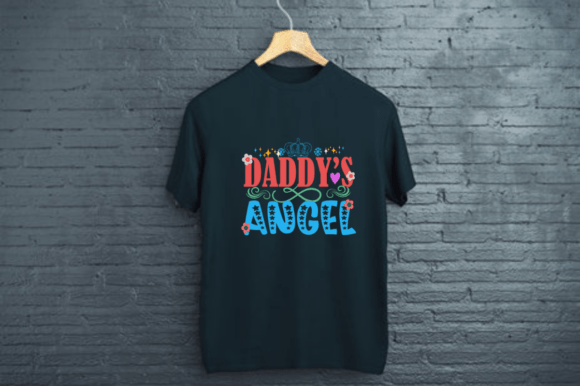
The initial appeal of DADDY S ANGEL - BABY T SHIRD DESIGN lies in its emotional resonance. It taps into a classic, sentimental niche that never truly goes out of style: the bond between a father and child. Visually, the concept suggests softness and protection. For an embroidery project, this mood dictates the technical approach. You cannot treat a design labeled "Angel" with aggressive, high-density stitching that pulls the fabric out of shape. The visual personality here demands elegance and lightness.
When I look at the layout, I am immediately thinking about balance. Baby apparel, particularly onesies and tiny t-shirts, offers a very limited canvas. A design that looks proportional on a mockup of an adult hoodie might overwhelm a six-month-old’s chest. This specific design appears to rely on a single concept focus, which is advantageous. It avoids the clutter that often plagues multi-element graphics, allowing the message to remain clear even when reduced in size for smaller garments.
Real-World Application Scenarios
To truly test a design, you must imagine it in situ. I envisioned using this machine embroidery design for a custom order: a set of matching outfits for a first Father’s Day. The client wanted something subtle yet meaningful. Here, the DADDY S ANGEL - BABY T SHIRD DESIGN shines as a centerpiece for baby embroidery projects. Because it is a single concept, it works exceptionally well on the left chest area of a sweatshirt embroidery piece or centered on a bib.
Beyond clothing, I considered its use in home decor. Nursery items are a huge market for craft business owners. Imagine this design stitched onto a muslin tote bag design used for diaper duty, or embroidered on a corner of a receiving blanket. The sentimental value increases the perceived worth of the handmade product. Customers are not just buying a shirt; they are buying a memory. When a design communicates emotion clearly, it reduces the cognitive load for the buyer, making the decision to purchase easier for Etsy seller customers browsing quickly.
However, versatility is key. While the description mentions it can be used on mugs and wall mats, as an embroiderer, I focus on textiles. If you are selling digital embroidery file assets, you must clarify that while the graphic works for print-on-demand drinkware, the embroidery version requires specific digitizing considerations. Using this as an applique design on a pillow cover could add a lovely tactile dimension, provided the fabric contrast is managed correctly.
Technical Considerations for Stitching
This is where the rubber meets the road. A graphic that looks crisp on a screen can become a tangled mess if the stitch density is too high for the chosen fabric. Baby skin is sensitive, and parents are discerning. No one wants a scratchy, stiff patch of thread on their infant’s chest. Therefore, when preparing DADDY S ANGEL - BABY T SHIRD DESIGN for production, I would prioritize softness.
If the design utilizes heavy fill stitch areas, I would recommend using a lightweight, breathable stabilizer to prevent puckering. For those digitizing this themselves or adjusting an existing embroidery file, consider converting solid fills to lighter patterns or using running stitch outlines to define shapes without adding bulk. The thread colors chosen will make or break the final look. Pastels work beautifully for baby items, but ensure there is enough contrast against the fabric. A white thread on a cream onesie will vanish, rendering the design invisible.
Fabric choice is critical. Knits and jersey fabrics, common in t-shirts and hoodies, stretch. Without proper stabilization, the DADDY S ANGEL - BABY T SHIRD DESIGN could distort after the first wash. I always advise testing on scrap fabric identical to the final garment. Check how the satins stitch edges hold up on stretchy material. If the design includes fine details or tiny lettering, verify that your machine can handle the precision at the intended hoop size. Small hoops offer better stability for intricate work, but ensure the design fits within the maximum area without scaling down so much that details merge.
Navigating Potential Pitfalls
While the design is charming, there are areas where caution is necessary. Dark fabrics present a challenge if the design relies on light threads. You may need to use an underlay or a backing patch to ensure the colors pop. Additionally, curved surfaces like caps require careful placement. If this design is adapted for headwear, the curvature can distort straight lines. Always hoop the cap properly and consider using a water-soluble topping if stitching on textured towels or plush blankets to keep the stitches sitting on top of the pile rather than sinking in.
Another consideration is durability. Baby items go through rigorous washing cycles. Dense stitching can crack or fray over time if not secured properly. Ensure that tie-offs are secure and that the design does not have long jumps that could snag on tiny fingers. For commercial embroidery projects, consistency is vital. If you are producing fifty units for a boutique, each piece must look identical. This requires meticulous attention to hooping tension and thread quality.
Enhancing Product Value and Brand Trust
From a business perspective, the quality of your embroidery reflects directly on your brand. A poorly executed DADDY S ANGEL - BABY T SHIRD DESIGN can damage customer trust. Conversely, a clean, professional finish elevates the finished product from a simple commodity to a cherished keepsake. High-quality stitching signals professionalism. It tells the customer that you care about the details.
For small shop product listings, presentation matters. Use high-resolution photos that show the texture of the thread. Close-up shots of the stitch work can highlight the craftsmanship. If you are creating printable mockup images for digital sales, ensure they accurately represent the final embroidered look, not just the flat graphic. Transparency builds loyalty. If you are offering this as part of a design assets package, include clear instructions on recommended settings and fabric types.
Final Verdict and Designer Notes
In conclusion, DADDY S ANGEL - BABY T SHIRD DESIGN is a strong candidate for sentimental, gift-oriented embroidery projects. Its strength lies in its emotional clarity and simplicity. However, success depends entirely on execution. Do not assume that because it is a Print Template or graphic, it is ready for the hoop without review.
Before launching this into your crafter inventory or using it for a client, take these practical steps:
- Test on Scrap: Always stitch out on the exact fabric type you plan to sell.
- Check Contrast: Ensure thread colors stand out against both light and dark backgrounds.
- Review Density: Adjust stitch density to maintain softness for baby skin.
- Verify Licensing: Confirm whether the license allows for commercial sale of finished physical items or if it is for personal use only.
- Inspect Details: Zoom in on the digitized file to check for potential thread breaks or excessive jumps.
By treating this design with the technical respect it deserves, you can create beautiful, lasting personalized gift items that resonate with customers. Whether for a holiday embroidery collection or a year-round baby line, this design has the potential to be a staple in your repertoire, provided you mind the mechanics of the craft.