Sikuning Review: A Designer’s Take on This Bold Mascot
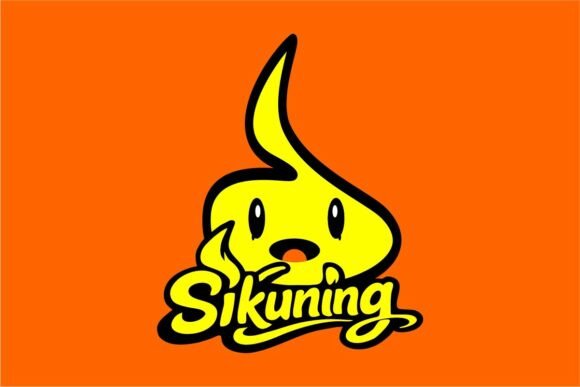
As an embroidery designer who has spent countless hours digitizing, testing, and stitching thousands of designs, I have learned that not every cute illustration translates well to thread. We often browse marketplaces looking for the next best-seller, scrolling past endless Illustrations and Graphics, hoping to find something that pops off the fabric rather than sinking into it. That is exactly why I took a closer look at Sikuning. This isn’t just another digital asset; it is a bold, playful yellow mascot character that demands attention. But does it hold up under the needle? Let’s break down how this vector pack performs in real-world embroidery scenarios.
First Impressions: Energy Meets Structure
The first thing that strikes you about Sikuning is its personality. It is designed to bring energy to creative projects, and visually, it succeeds. The unique swirl shapes give it a dynamic feel that static characters often lack. For a designer, this movement is both a blessing and a challenge. Swirls imply motion, which means the digitizer must carefully manage direction changes to avoid thread breaks or messy jumps. When I loaded the files into my software, I was pleased to see clean paths. The design feels intentional, not just a traced outline of a cartoon.
The color palette is dominated by that signature bright yellow. In the world of embroidery, yellow is tricky. It lacks coverage compared to darker hues, often requiring higher stitch density or a solid underlay to prevent the fabric from showing through. However, Sikuning leverages this brightness to create a cheerful, inviting mood. It feels right at home on items meant to spark joy, such as baby clothes, summer tote bags, or vibrant holiday gifts.
Real-World Application: The Tote Bag Test
To truly evaluate a design, you have to imagine it on a finished product. I recently worked on a custom order for a local boutique selling eco-friendly merchandise. They needed a tote bag design that would appeal to young adults and stand out in a crowded market. Sikuning was a top contender. I simulated the stitch-out on a heavy canvas background. The bold lines of the mascot held up beautifully against the textured weave of the canvas.
This is where the distinction between a simple Illustration and a functional machine embroidery design becomes clear. On paper, Sikuning looks great. On a tote bag, the thickness of the thread adds a tactile dimension that flat printing cannot achieve. The raised texture of the satin stitch borders gave the character a premium feel. For an Etsy seller or small shop owner, this tactile quality increases perceived value. Customers are more likely to engage with a product that feels handmade and substantial.
Beyond Bags: Apparel and Home Decor
While tote bags are a natural fit, I also considered Sikuning for sweatshirt embroidery. Here, the context changes. A sweatshirt is cozy and often worn in cooler weather. The bright yellow of the mascot provides a wonderful contrast to navy, charcoal, or forest green fabrics. However, one must be mindful of the fabric texture. Fleece and terry cloth can swallow small details. Because Sikuning is described as bold, it likely avoids the pitfall of excessive tiny details that get lost in plush fabrics. Still, I would recommend using a cut-away stabilizer to ensure the design remains crisp after multiple washes.
For baby embroidery, the playful nature of the character is perfect. Nursery decor, bibs, and onesies benefit from friendly, non-threatening imagery. Sikuning’s swirl shapes feel soft and approachable. However, when working with delicate baby fabrics, you must check the stitch density. If the design is too dense, it can make the fabric stiff and uncomfortable against sensitive skin. Always test on scrap fabric first to ensure the hand of the material remains soft.
Technical Considerations for Embroiderers
Let’s talk about the nuts and bolts of stitching Sikuning. As a reviewer, I look for potential pitfalls before they ruin a client’s garment. Here are the key areas to watch:
- Hoop Size: Ensure your hoop is large enough to accommodate the full design without re-hooping. Re-hooping can lead to misalignment, which ruins the professional look of the finished product.
- Thread Colors: Yellow thread can be translucent. If you are stitching on dark fabric, you will need a strong underlay, possibly in white or a matching bright tone, to make the yellow pop. Without this, the design may look dull or muddy.
- Stitch Types: Look for a mix of satin stitch for outlines and fill stitch for larger areas. Running stitches should be used sparingly, mainly for fine details. Verify that the transition between these stitch types is smooth to avoid thread bunching.
- Curved Surfaces: If you plan to use Sikuning on caps or hats, remember that curved surfaces distort designs. The swirl elements might look stretched if not positioned correctly. Always use a hat frame and test on a similar cap structure before committing to the final item.
Commercial Viability and Branding
For those running a craft business, consistency is key. Sikuning offers a distinct visual identity. Using it across a range of products—from embroidered patches to aprons—can help build brand recognition. The character’s boldness makes it easily recognizable even from a distance, which is crucial for market stalls or online thumbnails.
However, versatility matters. While Sikuning shines in casual, playful contexts, it might not suit formal or minimalist branding. Know your audience. If your small shop product line focuses on elegant, understated goods, this mascot might clash. But for brands targeting families, kids, or fun-loving adults, it is a strong asset. It works well as a central focal point or as part of a larger composition in commercial embroidery projects.
Practical Designer Notes
Before you buy or download any digital embroidery file, including Sikuning, there are steps you must take to ensure success. I cannot stress this enough: always check the license terms. Confirm whether the design allows for commercial use if you plan to sell personalized gifts or custom apparel. Some creators restrict the number of physical items you can sell, while others offer unlimited commercial rights.
Additionally, verify the file formats provided. You need files compatible with your specific machine (PES, DST, JEF, etc.). If the product description does not list these, contact the seller. Do not assume compatibility. Also, inspect the design in your software’s 3D view if available. This helps you visualize how the threads will layer and identify any potential travel jumps that might need trimming.
Finally, consider the context of holiday embroidery. Sikuning’s bright energy fits well with spring and summer themes, but could it work for winter holidays? Perhaps with added accessories like a scarf or hat, digitally edited into the design. Creativity extends beyond just stitching; it involves adapting assets to fit seasonal trends.
Final Verdict
Sikuning is a standout choice for designers looking to inject personality into their work. It moves beyond generic clip art to offer a character with genuine charm and structural integrity. For handmade product creators, it offers a balance of visual appeal and practical stitchability. Whether you are creating a printable mockup for your online store or stitching a one-of-a-kind gift, this design holds up under scrutiny. Just remember to respect the technical requirements of embroidery, choose your fabrics wisely, and let the bold energy of Sikuning shine through your craftsmanship.