Auntie Mouse Design: A Designer’s Real-World Review
As a designer who spends more time staring at stitch simulations than I do sleeping, I have learned to be skeptical of trending graphics. The market is flooded with cute concepts that look fantastic on a screen but turn into a tangled mess under the needle. Recently, I came across Auntie Mouse Funny Aunt Sublimation Png, listed under Freebies and Graphics. While the title suggests it is intended for sublimation printing, my immediate instinct was to evaluate its potential for embroidery. Can a graphic designed for heat transfer truly translate into a high-quality stitched product? I decided to put it through the paces of a real-world project to find out.
First Impressions: Mood and Visual Personality
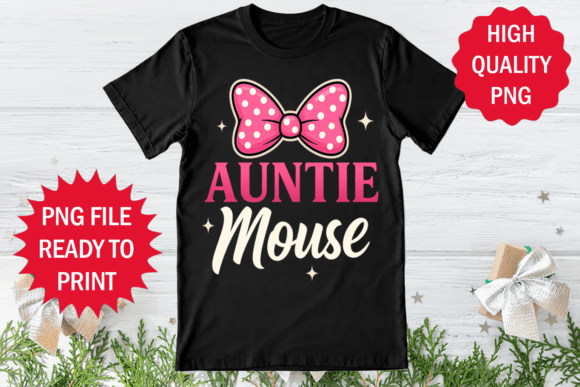
The first thing that strikes you about this design is its playful, nostalgic energy. The "Auntie Mouse" theme taps into a specific cultural niche—fun, slightly mischievous, and deeply affectionate aunt figures. Visually, the layout is balanced, with a clear focal point that draws the eye. For an embroidery designer, this is crucial. If the visual hierarchy is muddy in the PNG, it will be disastrous in thread.
The mood is lighthearted and trendy, making it an ideal candidate for personalized gifts. It does not take itself too seriously, which allows for creative freedom in material selection. However, because it originates as a sublimation clipart, the color transitions are likely smooth gradients. In embroidery, we do not have gradients; we have thread colors. This means the design requires careful interpretation. You cannot simply import a PNG into your embroidery software and expect magic. You must manually assign thread colors to mimic the vibrancy of the original graphic while maintaining stitching clarity.
The Real-World Test: From Screen to Sweatshirt
To test the viability of Auntie Mouse Funny Aunt Sublimation Png, I simulated a custom apparel project: a women’s oversized sweatshirt. This is a high-demand item for Etsy sellers and small shop owners, especially during the holiday season. The goal was to create a piece that felt boutique-quality rather than mass-produced.
I started by analyzing the shape and detail level. The design features bold lines and distinct shapes, which is excellent for machine embroidery. Intricate, tiny details often get lost in fabric texture, but this design’s robust structure holds up well. I envisioned using a combination of satin stitch for the outlines and fill stitch for the larger colored areas. The contrast between the shiny satin and the textured fill would add depth, making the finished product look premium.
For the fabric, I chose a medium-weight cotton blend. Thin or stretchy fabrics can distort designs, but this material provided a stable canvas. I selected thread colors that matched the vibrant palette of the original PNG, ensuring high contrast against the sweatshirt color. The result was a cheerful, eye-catching piece that perfectly captured the "funny aunt" persona. It was not just a shirt; it was a conversation starter.
Versatility Across Products and Surfaces
One of the strengths of this design is its adaptability. While I tested it on a sweatshirt, the layout works equally well on other items. Consider a tote bag design. The flat surface of a canvas tote allows for a larger hoop size, letting you maximize the detail without worrying about curvature. The sturdy fabric supports higher stitch density, meaning you can use richer fills without causing puckering.
For baby embroidery projects, such as a onesie or a nursery decor pillow cover, the design might need scaling down. Here, caution is key. Reducing the size too much can cause the stitches to become dense and stiff, which is uncomfortable for sensitive skin. In these cases, I recommend simplifying the design. Use running stitch for finer details instead of fill stitch to keep the fabric soft and flexible.
Caps and hats present another challenge. The curved surface of a cap distorts images if they are too wide. For Auntie Mouse Funny Aunt Sublimation Png, I would suggest isolating the central icon or text element for headwear. This ensures the design sits cleanly on the front panel without wrapping awkwardly around the sides. An embroidered patch is another excellent option. By stitching the design onto a separate piece of fabric and then attaching it, you avoid direct distortion on the garment and add a trendy, tactile element to jackets or bags.
Technical Challenges and Designer Notes
While the design is strong, it is not without its pitfalls. As a reviewer, I must highlight where things can go wrong. Since this is originally a sublimation graphic, it lacks inherent stitch data. You are responsible for digitizing it or converting it properly. This means checking stitch density is paramount. High-density areas on dark fabric can cause sinking, where the fabric pulls into the stitches. Using a cutaway stabilizer is non-negotiable here to provide lasting support.
Thread color contrast is another critical factor. The colorful nature of the PNG relies on distinct hues. If you choose threads that are too similar in value, the design will look flat and undefined. I always test my color choices in black and white mockups first. If the design loses its shape in grayscale, the contrast is insufficient. Adjust your thread palette until the silhouette remains sharp even without color.
Small lettering is often the weak link in converted graphics. If the "Auntie" text includes fine serifs or thin lines, they may break during stitching or look jagged. Inspect these areas closely in your software. You may need to thicken the fonts or switch to a simpler sans-serif style to ensure legibility after washing. Always test the design on scrap fabric before committing to the final garment. This simple step saves time, money, and reputation.
Commercial Value and Brand Consistency
For craft business owners and Etsy sellers, the appeal of Auntie Mouse Funny Aunt Sublimation Png lies in its marketability. It targets a specific emotional niche—gifts for aunts—which drives high engagement. However, professionalism is key. A sloppy stitch-out damages brand trust. Ensure that your finished product reflects the quality of your brand. Clean trims, proper stabilization, and consistent tension are what separate a hobbyist from a professional.
When using this as a digital embroidery file or part of your design assets, be mindful of licensing. The product is listed under Freebies, but commercial use rights vary. Always confirm the license terms before selling finished items. If you are creating printable mockups or digital previews for your shop, ensure that your presentation highlights the texture and quality of the embroidery, not just the graphic itself.
Final Verdict
In conclusion, Auntie Mouse Funny Aunt Sublimation Png is a versatile and charming asset for the right creator. It shines in custom apparel, holiday embroidery, and personalized gifts where personality is prized. It requires a skilled hand to translate its sublimation roots into thread, but the effort pays off in a unique, handmade product. Whether you are decorating a tea towel, a hoodie, or a boutique merchandise line, this design offers a solid foundation. Just remember: respect the fabric, check your density, and always stitch a test sample. Your customers will appreciate the care you put into every loop.