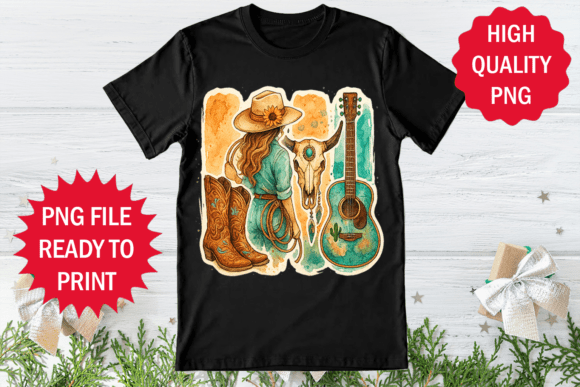
Cowgirl Brush Stock Design: A Designer’s Review
As an embroidery designer who has spent years digitizing patterns and troubleshooting stitch-outs for clients, I approach every new machine embroidery design with a mix of curiosity and caution. We have all been there: you download a file that looks stunning on the screen, only to find it turns into a tangled mess of thread on your favorite hoodie. That is why I took a close look at the Cowgirl Brush Stock Design Art Shirt graphic to evaluate its potential for real-world stitching. This isn’t just about whether it looks cute; it is about whether it holds up under the needle.
The first impression of this design is undeniably trendy. It captures that modern, rustic-chic aesthetic that dominates current apparel trends. The brushstroke elements suggest movement and artistic flair, which can be tricky to translate into thread. In digital graphics, a brushstroke is smooth and continuous. In embroidery, it requires careful planning of satin stitch angles and fill stitch density to avoid looking blocky or losing that organic feel. For those browsing Freebies or affordable Graphics, this design stands out because of its strong visual personality. It feels lively, confident, and perfectly suited for the contemporary maker.
Visual Appeal and Stitching Clarity
When I visualize this design on a finished product, I am thinking about contrast and clarity. The colorful nature of the original graphic implies a vibrant palette. For an embroidery project, this means you need to be strategic with your thread colors. If you are stitching this on a dark navy sweatshirt, you will need bright, high-contrast threads to make the details pop. Conversely, on a light heather gray tee, softer pastels might work, but you risk losing definition if the tones are too similar.
The layout of the Cowgirl theme suggests a central focal point, likely involving typography or iconic western imagery like hats, boots, or stars. In embroidery, small details are the first to get lost. If the design includes fine lines or tiny text, you must check the stitch density. High density can cause puckering, especially on thinner fabrics, while low density might leave gaps where the fabric shows through. A good digitizer will balance these elements, but as the end user, you must verify this before committing to a final piece.
Real-World Application: From Concept to Product
Let’s talk about where this design actually shines. I recently worked on a custom order for a boutique client who wanted unique custom apparel for a local rodeo event. The Cowgirl Brush Stock Design Art Shirt would have been an excellent candidate for their line of tote bag design options. Canvas tote bags have a tight weave and sturdy structure, making them ideal for handling the weight of embroidery without distorting. The rustic vibe of the cowgirl theme pairs naturally with the utilitarian look of a canvas bag, creating a cohesive handmade product that feels authentic rather than mass-produced.
Beyond totes, consider sweatshirt embroidery. A crewneck sweatshirt provides a large, flat surface area that allows the design to breathe. The brushstroke elements can be scaled up to create a bold statement piece. For Etsy sellers and small shop product creators, this versatility is key. You can offer the same design on different items, maximizing the value of your design assets. Imagine offering this as a personalized gift option, where the customer can add a name below the main graphic. Just ensure that any added text is digitized with enough spacing to remain legible after washing.
However, not every application is a slam dunk. I would hesitate to use this specific style on a baby embroidery project unless the design was significantly simplified. Baby skin is sensitive, and heavy embroidery can feel scratchy or stiff. If you do attempt it, ensure you use a soft backing and keep the stitch count reasonable. Similarly, for embroidered patch creation, you need to ensure the edges of the design are clean. Brushstrokes often have tapered ends that can fray or unravel if not properly tacked down with a securing stitch.
Navigating Fabric and Hoop Challenges
One of the most critical aspects of using any new embroidery file is understanding how it interacts with different materials. The Cowgirl Brush Stock Design, with its likely mix of thick and thin elements, requires attention to stabilizer choice. For stretchy fabrics like jersey t-shirts, a cut-away stabilizer is non-negotiable to prevent the design from warping over time. For woven fabrics like denim or canvas, a tear-away might suffice, but always test first.
Curved surfaces present another challenge. If you are planning to put this on a cap, you are working with a limited hoop size and a curved field. The design must be resized to fit within the cap’s front panel without distorting the proportions. Detailed corners and intricate brush tails can easily bunch up on curved surfaces. I recommend running a test stitch-out on a scrap piece of the same fabric, hooped exactly as you would for the final product. This simple step saves hours of frustration and wasted thread.
Dark fabrics require special consideration regarding underlay stitches. If the design has light-colored threads, a proper underlay will prevent the dark fabric from peeking through the top stitches. This is crucial for maintaining the professional look of your commercial embroidery work. Customers notice when a design looks sparse or poorly covered, and it can affect their trust in your brand.
Commercial Viability and Brand Consistency
For craft business owners, the appeal of a design goes beyond aesthetics; it is about marketability. Does the Cowgirl Brush Stock Design Art Shirt fit your brand? If your shop focuses on western wear, rustic decor, or feminine empowerment themes, this design aligns perfectly. It enhances brand consistency by offering a recognizable style that customers can associate with your shop.
When selling finished product items, presentation is everything. Use high-quality printable mockup tools to showcase how the embroidery looks on various garments. Show the texture of the thread, the sheen of the satin stitches, and the overall drape of the garment. This helps buyers visualize the quality they are paying for. Additionally, always clarify the licensing terms. Since this is categorized under Freebies or general graphics, you must confirm whether the file allows for commercial use. Some free files are for personal use only, while others allow you to sell a certain number of physical items. Never assume; always read the license agreement to protect your business.
Practical Designer Notes for Success
- Test on Scrap Fabric: Always run a test stitch on the actual fabric you plan to use. This reveals issues with tension, density, and stabilization.
- Check Thread Contrast: View your design in black and white to ensure the elements are distinct. If they blend together in grayscale, they will lack definition in thread.
- Verify Hoop Size: Ensure the design fits comfortably within your machine’s hoop, leaving room for clamping and fabric movement.
- Inspect Small Details: Zoom in on the digitized file. Look for stray stitches, overly dense areas, or disconnected paths that could cause thread breaks.
- Confirm Licensing: Before listing items on Etsy or at craft fairs, verify that the digital embroidery file permits commercial sales.
- Consider Washability: Think about how the design will hold up after multiple washes. Dense designs may stiffen the fabric, so advise customers on proper care.
In conclusion, the Cowgirl Brush Stock Design Art Shirt offers a compelling blend of trendiness and rustic charm. With careful attention to digitizing quality, fabric selection, and stabilization, it can become a standout item in your embroidery project portfolio. Whether you are creating holiday embroidery gifts or stocking your online store, this design has the potential to delight customers when executed with precision. Take the time to test, adjust, and perfect your stitch-out, and you will create a product that reflects both skill and style.