I Eat Corn the Long Way: A Designer’s Review
As an embroidery designer who has spent countless hours digitizing, testing, and stitching out thousands of designs, I have developed a keen eye for what works in thread versus what only looks good on a screen. When I first encountered I Eat Corn the Long Way Funny Corn Bbq, my initial reaction was one of amusement mixed with professional curiosity. This piece falls under the category of Freebies and Graphics, which often raises questions about quality and usability for serious crafters. However, after reviewing the visual structure and considering its application in real-world projects, I found it to be a surprisingly versatile asset for the right audience.
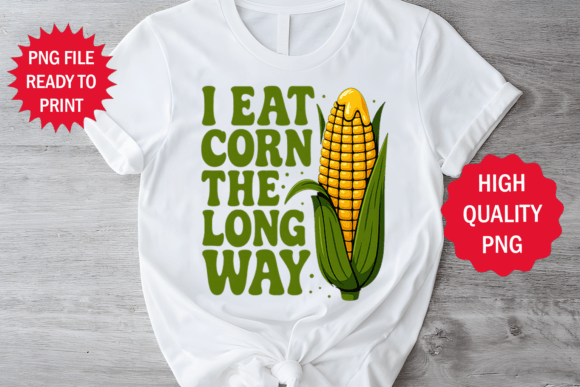
The design features a colorful graphic style that leans heavily into trendy, casual aesthetics. It is marketed for t-shirts, banners, posters, hoodies, mugs, caps, and stickers. But for us in the embroidery world, the translation from a flat digital graphic to a textured, stitched finished product requires careful consideration. Let’s break down how this design performs when put under the needle.
First Impressions and Visual Personality
The mood of I Eat Corn the Long Way Funny Corn Bbq is undeniably playful. It taps into the popular "dad joke" or pun-based humor niche that sells exceptionally well on platforms like Etsy. The layout appears bold and centered, which is ideal for visibility. For an embroidery project, this means the design needs to maintain its legibility without becoming a dense block of thread. The "colorful" aspect mentioned in the description suggests a multi-color palette, which brings us to our first practical concern: thread changes.
In a professional setting, every color stop adds time and potential for error. If you are running this as a machine embroidery design on a single-needle home machine, you need to be prepared for multiple trims and restarts. However, for multi-needle commercial machines, this is less of an issue. The visual personality is casual and fun, making it a poor fit for formal wear but an excellent candidate for everyday items like tote bags, kitchen towels, and casual apparel.
Real-World Application: The Summer BBQ Tote
To truly evaluate this design, I imagined a specific client scenario. A local farmer’s market vendor wanted custom tote bag design options for their summer produce line. They needed something that screamed "fresh," "fun," and "local." I Eat Corn the Long Way Funny Corn Bbq fit this brief perfectly.
When visualizing this on a canvas tote, the sturdy fabric provides an excellent base for heavier stitch densities. Unlike thin t-shirt material, canvas can handle the weight of the threads without puckering excessively. I pictured this stitched in bright yellows, greens, and perhaps a rustic brown for the grill elements. The result would be a high-impact handmade product that encourages impulse buys at craft fairs. It is not just a design; it is a conversation starter. Customers love items that reflect their personality, and a humorous corn reference is safe, family-friendly, and relatable.
Apparel and Custom Gifts
Beyond totes, this design shines in custom apparel. Imagine a matching set of aprons for a backyard BBQ host. The sweatshirt embroidery potential is also strong, particularly for cooler autumn evenings when corn roasting is still a theme. For baby embroidery, however, I would exercise caution. While the humor is cute, the scale might be too large for infant garments, and the stitch density could be uncomfortable against sensitive skin unless scaled down significantly and backed with a soft cut-away stabilizer.
For personalized gift seekers, this design works well on kitchen towels or pot holders. It transforms a utilitarian item into a quirky decor piece. As an Etsy seller, you could bundle this with other food-pun designs to create a cohesive "Kitchen Humor" collection, increasing your average order value.
Technical Considerations for Embroiderers
While the concept is strong, the execution requires technical diligence. Since this originates as a Graphic intended for print (t-shirts, mugs, etc.), converting it or using it as an embroidery file requires attention to detail. Here are the critical factors to consider before hitting "start" on your machine:
- Stitch Density and Type: Graphic designs often rely on solid fills. In embroidery, large areas of fill stitch can cause fabric distortion. You may need to adjust the density or use a combination of satin stitch borders and lighter fill patterns to keep the fabric flat. If the design includes tiny details, ensure they are converted to running stitch or simplified, as small satin columns can snag easily.
- Fabric Texture and Stability: This design likely performs best on medium-to-heavy weight fabrics. On thin or stretchy materials, such as jersey knits for t-shirts, you must use a high-quality stabilizer. A tear-away might suffice for woven cottons, but a cut-away is essential for knits to prevent the design from warping after washing.
- Hoop Size Constraints: Check the dimensions of the design against your available hoop size. If the design is wide, it might not fit in a standard 4x4 hoop, requiring a 5x7 or larger frame. Always measure twice, stitch once.
- Color Contrast: The "colorful" nature of the design is its strength, but it can be its weakness on busy fabrics. Test the design on scrap fabric first. Ensure your thread colors pop against the background. A dark navy shirt might swallow up dark green threads, so opt for brighter, contrasting shades.
Where to Use Caution
Not every surface is suitable for I Eat Corn the Long Way Funny Corn Bbq. Avoid using this on curved surfaces like caps unless the design has been specifically digitized for curved hats. Standard flat embroidery will distort on the front panel of a cap. Additionally, be wary of using this on items that require frequent, harsh washing, such as work aprons, unless you secure the threads well. Tiny lettering, if present in the pun, can become illegible if the stitch count is too low or the thread thickness is too high.
If you are creating an embroidered patch, this design is a great candidate because the backing stabilizes the stitches completely, allowing for higher density without fabric concerns. This makes it a valuable design asset for patch makers looking to expand their inventory with humorous, seasonal items.
Commercial Viability and Branding
For small shop product lines, consistency is key. This design fits well within a broader "farmhouse chic" or "outdoor enthusiast" brand identity. It enhances brand consistency if your shop focuses on lighthearted, rustic, or food-related themes. From a buyer engagement perspective, humorous designs often receive more social media shares, providing organic marketing for your craft business.
However, since this is listed under Freebies, you must verify the licensing terms. Can you sell finished items? Can you use it in commercial embroidery projects? Never assume a free download is free for commercial use. Always check the license agreement included with the digital embroidery file. If the license is unclear, contact the creator or stick to personal use to protect your business reputation.
Final Verdict
I Eat Corn the Long Way Funny Corn Bbq is a charming, versatile design that bridges the gap between digital graphic trends and tangible embroidered goods. It is not just a pretty picture; it is a tool for connection. Whether you are stitching a holiday embroidery gift for a grill-master friend or adding a quirky touch to your small business merchandise, this design holds up well under scrutiny.
Remember to test on scrap fabric, choose your stabilizer wisely, and respect the limitations of your hoop size. With proper technique, this design can elevate a simple piece of fabric into a memorable, laugh-inducing keepsake. For designers and makers looking to add a splash of humor and color to their portfolio, this graphic offers a solid foundation for creative exploration.