Review: Funny Eat More Chicken Design PNG Art for Embroidery
As a designer who spends half my life digitizing and the other half stitching, I have learned to look past the glossy preview images. We all know that what looks crisp on a screen can sometimes turn into a tangled mess of thread on fabric. Recently, I came across the Funny Eat More Chicken Design Png Art, listed under Freebies and Graphics. While the source material is described as a colorful graphic t-shirt design, my interest was strictly professional: could this translate into a viable machine embroidery design for real-world products? I decided to put it through its paces, not just as a digital asset, but as a potential centerpiece for custom apparel and handmade goods.
First Impressions: Mood and Visual Personality
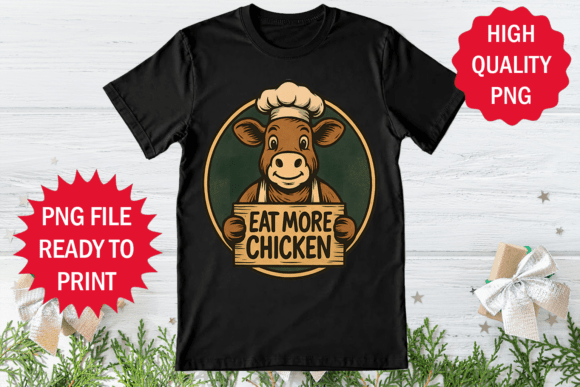
The immediate appeal of the Funny Eat More Chicken Design Png Art lies in its playful, unapologetic humor. In the current market, quirky food-related slogans are performing exceptionally well, especially when paired with bold, cartoonish aesthetics. The design exudes a casual, trendy vibe that fits perfectly with the modern "comfort core" aesthetic. It is not trying to be elegant or minimalist; it is loud, fun, and approachable. For an embroidery project, this personality is crucial. It dictates where the design should go. You would not stitch this onto a formal blazer, but it is absolutely perfect for a weekend sweatshirt, a kitchen apron, or a canvas tote bag meant for grocery runs.
From a layout perspective, the graphic nature of the original PNG suggests strong, clear lines. This is generally good news for embroidery. Complex gradients and soft shadows often fail in stitching, but bold shapes and distinct color blocks translate beautifully into satin stitches and fill stitches. The "delightful" elements mentioned in the description likely refer to the whimsical character work or typography, which, if simplified correctly during digitization, can create a high-impact visual without requiring excessive stitch density.
Real-World Application: From Screen to Stitch
To test the viability of this design, I imagined a specific client scenario. A local boutique owner wanted a line of humorous kitchen textiles for the holiday season. She needed something that would appeal to young homeowners and make for a great personalized gift. The Funny Eat More Chicken Design Png Art seemed like a strong candidate for a set of embroidered tea towels or a heavy-duty apron.
When adapting a graphic t-shirt design for embroidery, the first step is assessing the scale. On a t-shirt, a design can be large and loose. On a towel or a cap, space is premium. I found that this design works best when kept at a medium size. If you shrink it too much for a small hoop size, the intricate details of the chicken illustration or the lettering might merge, losing clarity. However, at a standard 4x4 or 5x7 inch scale, the bold lines hold up well. The humor lands immediately, making it an excellent conversation starter for any finished product.
For custom apparel, such as a crewneck sweatshirt, the design adds a layer of personality that plain text cannot achieve. The colorful nature of the graphic suggests using vibrant thread colors. Imagine bright yellows, oranges, and reds against a heather grey or navy fabric. The contrast creates a pop that draws the eye. For Etsy sellers and small shop owners, this kind of visual impact is essential for thumbnail images. A well-stitched version of this design can significantly boost buyer engagement because it looks professional yet fun.
Technical Considerations and Fabric Choices
While the design is charming, practical embroidery requires us to think about mechanics. Since the source is a PNG art file intended for printing, it does not come with inherent stitch data. If you are digitizing this yourself or hiring someone to do it, pay close attention to stitch density. Graphic designs often have large solid areas. If you fill these entirely with satin stitches, the fabric may pucker, especially on thinner materials like a standard t-shirt or a baby onesie. Using a combination of fill stitches for larger bodies and satin stitches for outlines is a smarter approach. This reduces bulk and ensures the garment remains comfortable to wear.
Fabric texture plays a massive role here. On a textured fabric like a waffle-knit towel or a fuzzy fleece hoodie, fine details can get lost. The Funny Eat More Chicken Design Png Art relies on clear shapes, so it is forgiving on textured surfaces. However, avoid using it on very stretchy fabrics without proper stabilization. A cut-away stabilizer is non-negotiable for knitwear to prevent the design from distorting after washing. For woven fabrics like cotton tote bags or aprons, a tear-away stabilizer might suffice, but always test on scrap fabric first.
Dark fabrics present another challenge. If the design includes light-colored elements, you must ensure there is enough underlay or a backing patch to prevent the dark fabric from showing through. This is particularly important for the white or light parts of the chicken illustration. Without proper coverage, the design can look muddy and unprofessional. For caps and curved surfaces, the design needs to be centered carefully. The horizontal layout of most t-shirt graphics works well on the front panel of a dad hat, but verify the height so it does not interfere with the brim stitching.
Commercial Viability and Brand Consistency
For craft business owners and digital product sellers, the licensing aspect is critical. The item is categorized under Freebies, which often implies personal use only. Before selling any finished product or including this in a commercial embroidery project, you must confirm the license terms. If commercial use is allowed, this design is a strong asset. It fits seamlessly into niches like farmhouse kitchen decor, humorous gift shops, and casual streetwear brands.
The versatility of the Funny Eat More Chicken Design Png Art extends beyond clothing. It works wonderfully on embroidered patches, which are currently trending. A dense, well-digitized version of this design on a twill patch can be ironed onto jackets, bags, or hats, offering customers a customizable option. This increases the perceived value of your handmade product. Furthermore, using this design in printable mockups can help you gauge customer interest before committing to production. Create digital previews on various items—mugs, posters, and banners—to see which context resonates most with your audience.
Practical Designer Notes for Best Results
- Test on Scraps: Always stitch a sample on the exact fabric you plan to use. Check for puckering and thread breaks.
- Check Contrast: Ensure your thread colors stand out against the fabric. Use a black and white mockup to verify value contrast.
- Stabilizer Selection: Use cut-away stabilizers for stretchy knits and tear-away for stable wovens.
- Detail Inspection: Zoom in on the digitized file. Are there tiny jumps or unnecessary trims? Clean up the path for efficiency.
- Hoop Size: Confirm the design fits your available hoop sizes without resizing it to the point of distortion.
- Licensing Verification: Double-check the usage rights for Freebies and Graphics to ensure compliance for commercial sales.
In conclusion, the Funny Eat More Chicken Design Png Art is a promising candidate for embroidery adaptation. Its strength lies in its bold, humorous character and versatile layout. While it requires careful digitization to manage stitch density and color coverage, the result can be a high-quality, engaging design for various handmade products. Whether you are creating a personalized gift for a friend or stocking your Etsy shop with trendy apparel, this design offers a fun, professional edge when handled with technical precision. Treat it not just as a graphic, but as a structural element of your textile art, and it will serve your creative business well.