Reviewing Pin It Pretty Decorative Hair Pin
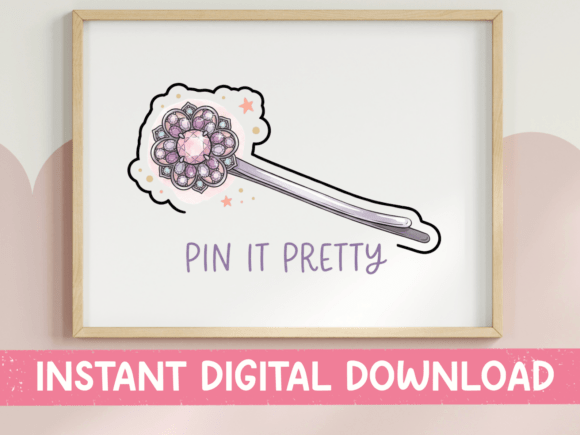
As a designer who has spent countless hours staring at digitized files on my screen, I have learned that the difference between a good design and a great finished product often lies in the details. When I first opened the file for Pin It Pretty Decorative Hair Pin, I was immediately struck by its delicate balance of vintage charm and modern playfulness. This is not just another generic floral motif; it is a specific narrative element designed for the girl with a jar full of clips on her vanity. The concept revolves around a dainty hair pin sticker that sparkles with personality, featuring a silver bobby-style pin holding an ornate flower medallion studded with purple and pink jewels.
In the world of T-Shirt Designs and broader Graphics, finding assets that translate well from digital pixels to physical thread is a constant challenge. Many designs look stunning on a monitor but turn into a tangled mess of thread breaks and puckering once they hit the fabric. My evaluation of this machine embroidery design focuses on its practical application in real-world scenarios, moving beyond the initial visual appeal to assess its viability for craft businesses, Etsy sellers, and handmade shop owners.
First Impressions and Visual Mood
The immediate mood created by Pin It Pretty Decorative Hair Pin is one of nostalgic whimsy. It feels like a treasure found in a grandmother’s jewelry box, repurposed for a contemporary audience. The layout is compact yet detailed, with the ornate flower medallion serving as the focal point. The inclusion of the bobby pin adds a layer of realism and context that elevates it above standard floral patterns. For embroidery designers, this thematic consistency is crucial. It tells a story without needing extra text or complex backgrounds.
The color palette suggested by the description—silver, purple, and pink—offers a soft, feminine aesthetic that appeals to a wide demographic. However, as experienced makers know, thread colors behave differently than screen colors. The "sparkle" mentioned in the description relies heavily on the choice of thread. To achieve the intended effect, one must carefully select metallic or high-sheen threads for the silver pin and jewel tones for the medallion. This design demands attention to thread colors to ensure the contrast between the metal and the flowers remains distinct after stitching.
Real-World Application Scenarios
To truly test the value of any embroidery file, I imagine it in various production contexts. Let us consider a custom embroidered tote bag. Tote bags are typically made from canvas or heavy cotton, which provides a stable base for embroidery. Placing Pin It Pretty Decorative Hair Pin on the corner of a tote bag creates a subtle, boutique-style accent. It is not overwhelming, making it perfect for customers who prefer understated elegance over loud branding.
Another strong candidate for this design is baby embroidery. The dainty nature of the hair pin and the soft color scheme make it ideal for baby shower gifts, such as burp cloths or nursery decor. When used on baby items, the design exudes a sense of care and personalization. Similarly, for sweatshirt embroidery, this graphic works well as a small chest logo or a sleeve detail. It adds a touch of vintage flair to casual wear, appealing to teenagers and young adults who enjoy retro aesthetics.
For those running a craft business, this design is versatile enough to be used on patches. An embroidered patch featuring this motif could be sold as a standalone accessory or applied to denim jackets and backpacks. The self-contained nature of the image means it does not require a large background fill, making it cost-effective in terms of thread usage and machine time. This efficiency is vital for Etsy sellers and small shop product creators who need to manage production costs while maintaining high quality.
Technical Considerations and Stitching Performance
While the visual appeal is strong, the technical execution requires careful planning. The description mentions an "ornate flower medallion," which implies a certain level of detail. In embroidery, intricate details can be problematic if the stitch density is too high or if the hoop size is too small. Before committing to a final product, it is essential to test the design on scrap fabric. This allows you to check for potential issues such as thread breaks in the finer parts of the flower or the bobby pin.
Fabric texture plays a significant role in how this design performs. On smooth fabrics like cotton or polyester blends, the satin stitches likely used for the petals and the pin should lay flat and shiny. However, on textured fabrics like terry cloth or wool, the fine details might get lost. In such cases, using a proper stabilizer is non-negotiable. A cut-away stabilizer might be necessary for stretchy fabrics to prevent distortion, while a tear-away could suffice for stable woven materials.
One area where caution is advised is the use of this design on dark fabrics. The silver and light pink elements may not pop against black or navy blue unless underlay stitches are properly configured. It is advisable to test the design in both light and dark fabric backgrounds to ensure visibility. Additionally, if the design includes small lettering or extremely fine lines, verify that your machine can handle the resolution. Tiny details can easily become cluttered if the needle size is too large or the tension is off.
Enhancing Product Value and Brand Consistency
Integrating Pin It Pretty Decorative Hair Pin into your product line can significantly enhance visual appeal and customer trust. Handmade products thrive on uniqueness, and this design offers a distinctive look that sets it apart from mass-produced items. When customers see a well-executed, detailed embroidery piece, they perceive higher value. This perception translates into willingness to pay a premium price, which is essential for sustaining a profitable commercial embroidery venture.
Brand consistency is another key factor. If your brand identity leans towards vintage, romantic, or girly aesthetics, this design fits seamlessly. It can be used across various design assets, from printable mockup previews to actual finished goods. Consistent use of such thematic elements helps build brand recognition. Customers begin to associate this specific style of ornamentation with your shop, fostering loyalty and repeat business.
Furthermore, the giftability of items featuring this design is high. Personalized gifts, such as monogrammed towels or custom apparel, become more special when adorned with a charming graphic like this. It adds an emotional layer to the product, making it feel thoughtful and curated. For holiday embroidery projects, such as Christmas ornaments or Valentine’s Day gifts, the purple and pink hues can be adjusted to fit seasonal themes, adding versatility to your inventory.
Practical Designer Notes for Best Results
To ensure the best outcome with Pin It Pretty Decorative Hair Pin, follow these practical steps. First, always check the licensing terms before selling finished items or digital products. Understanding whether the file is for personal or commercial use is critical to avoiding legal issues. Second, inspect the stitch types used in the file. Look for a mix of satin stitch for borders and fill stitch for larger areas, ensuring a balanced texture. Running stitch may be used for outlines, so check that these lines are secure and do not unravel easily.
Third, compare the design on different hoop sizes. While it may fit in a 4x4 inch hoop, ensure there is enough margin for hooping without distorting the fabric. Fourth, create black and white mockups to evaluate contrast and clarity without the distraction of color. This helps identify any areas where details might merge or become indistinct. Finally, communicate with your customers about care instructions. Embroidered items, especially those with metallic threads, may require gentle washing to maintain their sparkle and shape.
In conclusion, Pin It Pretty Decorative Hair Pin is a well-conceived design that bridges the gap between digital art and tactile craftsmanship. With careful attention to technical details and thoughtful application, it can become a standout element in your embroidery portfolio. Whether you are creating custom apparel, home decor, or unique gifts, this design offers the vintage charm and professional finish that modern makers and their customers desire.