Reviewing Beanie Jack O Lantern Pumpkin Art for Embroidery
As a designer who has spent countless hours digitizing and stitching out seasonal motifs, I have developed a keen eye for what translates well from screen to fabric. Fall designs are particularly tricky; they often rely on complex gradients or tiny details that get lost in thread. That is why I was genuinely intrigued when I pulled up the Beanie Jack O Lantern Pumpkin Art file for a recent client project. This is not your standard, generic Halloween clipart. It carries a distinct personality—a cozy, hipster vibe that feels right at home in modern handmade shops.
I am evaluating this design not just as a pretty picture, but as a functional machine embroidery design intended for real-world production. Whether you are an Etsy seller looking to update your autumn catalog or a hobbyist making personalized gifts, understanding how this graphic behaves under the needle is crucial. Let’s dive into the practicalities of using this asset in your next embroidery project.
First Impressions: Mood and Visual Personality
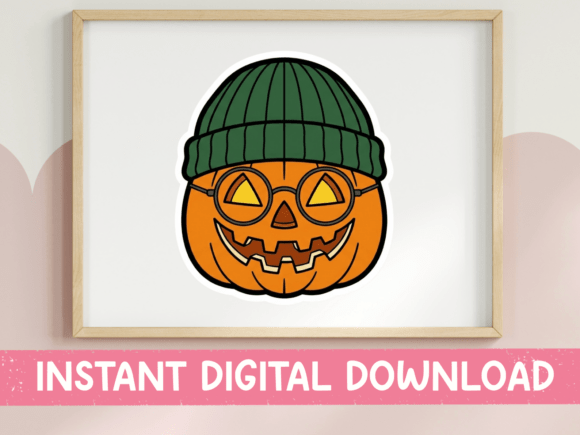
The immediate appeal of Beanie Jack O Lantern Pumpkin Art lies in its attitude. The combination of a carved orange jack-o'-lantern wearing a ribbed green beanie and round glasses creates a whimsical, approachable character. It avoids the spooky or grotesque tropes common in October decor, opting instead for a friendly, toothy grin. For a designer, this broadens the market significantly. It is suitable for children’s items, trendy adult apparel, and home decor alike.
Visually, the layout is balanced. The roundness of the pumpkin head complements the curve of the beanie, creating a compact silhouette that works well within standard hoop boundaries. The inclusion of round glasses adds a layer of sophistication, turning a simple vegetable into a character with depth. When I first viewed the preview, I noted that the contrast between the orange pumpkin and the green beanie is strong, which is excellent for stitching clarity. However, the "glowing" effect mentioned in the description requires careful thread selection to ensure it doesn't look muddy when stitched out.
Real-World Application: From Digital File to Finished Product
To test the versatility of this design, I imagined several scenarios where Beanie Jack O Lantern Pumpkin Art would shine. My primary test case was a custom sweatshirt embroidery project for a boutique client. The goal was to create a unisex fall staple that felt cozy yet stylish. Because the design features bold shapes—the beanie, the face, the glasses—it holds up remarkably well on textured fabrics like fleece or heavy cotton blends. The larger fill areas allow the thread sheen to catch the light, adding dimension to the finished product.
Beyond apparel, this graphic is a strong contender for a tote bag design. Canvas bags provide a stable, flat surface that minimizes distortion, allowing the details of the glasses and the ribbed texture of the hat to remain crisp. I also see potential for this design as an embroidered patch. Patches are increasingly popular for customizing denim jackets and backpacks. If you choose this route, ensure you use a dense fill stitch background or a twill backing to give the patch structure and durability.
For those running a craft business, consider this design for holiday embroidery on kitchen textiles. A set of tea towels featuring this hipster pumpkin could be a bestseller. However, keep in mind that towels have a loose weave. You will need to adjust your stabilizer strategy, likely using a cut-away stabilizer to prevent the design from puckering after repeated washing.
Technical Considerations and Stitching Challenges
While the aesthetic is charming, we must address the technical execution. Any experienced embroiderer knows that small details can make or break a design. The round glasses and the teeth in the grin are critical areas. If the embroidery file uses too many running stitch elements for these fine lines, they may disappear on certain fabrics or fray over time. I recommend checking the stitch type for these details. Ideally, they should be slightly thickened satin stitches or carefully spaced running stitches that anchor well into the fabric.
Fabric choice plays a massive role here. On thin or stretchy materials, such as baby clothes, the density of the pumpkin’s orange body could cause pulling. If you are attempting baby embroidery with this motif, I strongly advise using a lightweight fusible stabilizer and testing on scrap fabric first. The thread colors also need scrutiny. The "glowing" aspect of the pumpkin might require a variegated thread or a specific shade of yellow-orange to stand out against the main orange body. Without proper contrast, the face details could blend in, losing that friendly expression.
Another consideration is the hoop size. While the design appears compact, ensure your machine’s hoop can accommodate the full width of the beanie and the pumpkin’s cheeks. Crowding a design near the edge of the hoop often leads to skipped stitches or frame burns. Always center the design and leave ample margin.
Commercial Viability and Brand Consistency
For small shop product creators, consistency is key. Beanie Jack O Lantern Pumpkin Art fits seamlessly into a brand identity that values warmth, humor, and modern aesthetics. It pairs well with other fall-themed design assets, such as leaf motifs or coffee cup graphics. Using this design in your printable mockup previews can help customers visualize the final item, boosting confidence in their purchase.
When selling custom apparel or personalized gift items, the uniqueness of this design helps differentiate your offerings from mass-produced goods. Customers are drawn to items that feel curated and special. The hipster element appeals to a demographic that values artisanal quality. However, always verify the licensing terms of the digital embroidery file. Ensure you have the rights to use it for commercial embroidery if you plan to sell physical goods. Some designers restrict usage to personal projects only, so clarity here protects your business.
Practical Designer Notes for Best Results
Before you commit to stitching this on a final garment, follow these practical steps to ensure professional results:
- Test on Scrap Fabric: Always stitch a sample on the same material and weight you intend to use for the final product. This reveals any tension issues or color clashes.
- Check Thread Contrast: Lay out your actual spools against the fabric. The green beanie and orange pumpkin need to pop. If they are too similar in value, swap one for a lighter or darker shade.
- Review Stitch Density: Look at the color stop sequence. If the pumpkin body is extremely dense, consider reducing the density slightly in your software to prevent fabric stiffness, especially for wearables.
- Inspect Small Details: Zoom in on the glasses and teeth. If they look fragmented in the preview, they may stitch out poorly. You might need to manually adjust tie-ins or convert small runs to satin stitches.
- Mockup in Black and White: Convert your digital preview to grayscale. This helps you see if the design relies too much on color for definition. A good design should hold its shape even without color.
- Confirm Licensing: Double-check the terms provided by the creator. Ensure you are compliant for both personal and commercial use before listing items for sale.
Final Verdict
The Beanie Jack O Lantern Pumpkin Art is a standout choice for autumn projects. It balances charm with technical feasibility, provided you pay attention to fabric stability and thread contrast. It is not just a graphic; it is a versatile tool for creating engaging handmade products. Whether you are decorating a cap, a pillow cover, or a toddler’s hoodie, this design offers the playful sophistication that modern consumers crave. By respecting the technical limits of your machine and choosing the right materials, you can turn this digital asset into a high-value addition to your portfolio.