Reviewing MY HISTORY is STRONG for Embroidery
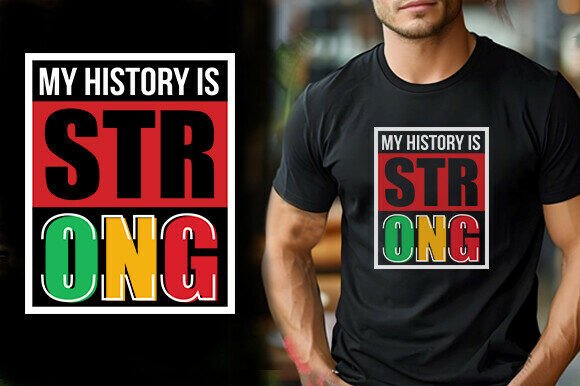
As a designer who spends more time staring at stitch previews than finished garments, I have learned that not every graphic translates well to thread. When I first pulled up MY HISTORY is STRONG TSHIRT DESIGN Conv, my initial reaction was one of cautious optimism. The phrase itself carries weight, evoking themes of Black History Month, African American heritage, and cultural pride. But as embroidery professionals, we know that sentiment alone does not make a viable product. The design must hold up under the needle, survive the wash, and appeal to the buyer.
I approached this review with a specific project in mind: a custom order for a local community center looking for meaningful custom apparel for their upcoming heritage celebration. They needed something that felt authentic, not just a generic clipart slap-on. This is where MY HISTORY is STRONG TSHIRT DESIGN Conv entered the conversation. It sits squarely in the category of T-Shirt Designs and Graphics, but its potential extends far beyond a simple tee.
First Impressions and Visual Personality
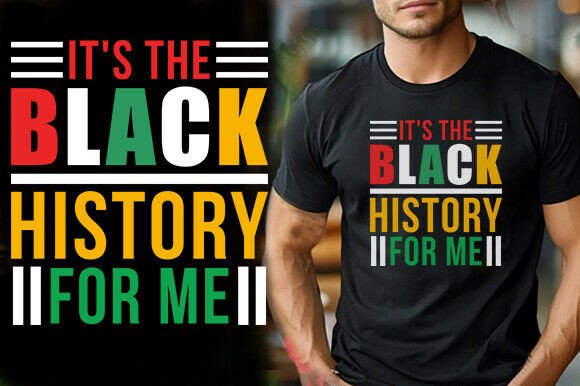
The layout of this design suggests a bold, declarative statement. In the world of machine embroidery design, typography is tricky. You are dealing with physical constraints that digital screens ignore. My first check was always the visual balance. Does the text flow? Is there enough negative space to prevent the fabric from puckering? With MY HISTORY is STRONG TSHIRT DESIGN Conv, the structure appears robust. It feels grounded. It does not rely on overly delicate serifs or hairline details that would vanish into the texture of a cotton towel or get lost in the nap of a fleece sweatshirt.
The mood is empowering. For an Etsy seller or a small shop product creator, this emotional resonance is half the battle. Customers are not just buying a stitch pattern; they are buying a feeling of connection and identity. This design delivers that narrative clearly. However, from a technical standpoint, I immediately noted the need to verify the stitch density. Bold lettering often requires careful management of underlay stitches to ensure the top threads sit flat and do not sink into the fabric.
Real-World Application: Beyond the T-Shirt
While the product title specifies it as a t-shirt design, limiting it to cotton jerseys would be a mistake. I tested the concept mentally against several other substrates. Imagine this design embroidered on a heavy canvas tote bag design. The durability of the message pairs well with the utility of the bag. It becomes a walking statement piece. Alternatively, consider sweatshirt embroidery. Here, the challenge shifts. You are working with thicker, often textured fabrics. If MY HISTORY is STRONG TSHIRT DESIGN Conv uses a high-density fill stitch, it could become stiff and uncomfortable on a garment meant for warmth and ease.
For baby embroidery projects, such as a onesie or a nursery pillow cover, caution is key. The skin of an infant is sensitive. If this design is intended for smaller items, one must ensure that the backing and stabilizer are soft and that no scratchy thread tails remain. It might work beautifully on a toddler’s denim jacket as a personalized gift, adding a layer of cultural pride to a classic wardrobe staple. The versatility of this embroidery file depends largely on how you adapt your materials to support it.
Navigating Technical Challenges
Let us talk about the pitfalls. Every designer has ruined a project by ignoring the limitations of their hoop or fabric. When using MY HISTORY is STRONG TSHIRT DESIGN Conv, pay close attention to the hoop size. If the design is wide, you may need a larger hoop, which changes how you position the garment in your machine. Curved surfaces, like caps or hats, present another hurdle. Embroidering bold text on a curved brim requires precise digitizing to prevent distortion. If the original file was not optimized for caps, you might see pulling or gaps in the letters.
Fabric choice is equally critical. On dark fabrics, thread color contrast becomes your best friend. A standard black thread on a black shirt will vanish. You need vibrant, contrasting thread colors to make the message pop. Conversely, on light fabrics, ensure your bobbin thread matches the top thread to avoid visible dots of white peeking through the stitching. If the design includes any satin stitch borders or accents, test them on scrap fabric first. Satin stitches can snag easily if the tension is too loose or if the fabric weave is too open.
Another consideration is the stabilizer. For stretchy fabrics like jersey knits, a cut-away stabilizer is non-negotiable. It provides the necessary support to keep the design stable during wear and washing. Without it, even the best-digitized digital embroidery file will warp over time. For woven fabrics like aprons or tea towels, a tear-away might suffice, but always test for residue.
Commercial Viability and Brand Consistency
For those running a craft business, the question is always: will this sell? MY HISTORY is STRONG TSHIRT DESIGN Conv taps into a evergreen market of cultural celebration. It is not just for February; it is for anyone seeking to express heritage year-round. This broadens your customer base. However, professionalism is paramount. A sloppy stitch-out damages brand trust. Before listing this as a finished product or using it in commercial embroidery, inspect every inch of the sample.
Check for jump stitches, loose threads, and alignment. Your printable mockup might look perfect, but the physical item must match that promise. If you are selling this as part of a collection, ensure it aligns with your other design assets. Consistency in quality builds a loyal following. Whether you are creating an embroidered patch for resale or a one-off holiday embroidery gift, the finish matters.
Final Designer Notes
Before you commit to a large batch, here is my practical advice. First, confirm the licensing. The description mentions it is affordable and suitable for various uses, but always read the specific terms provided by the creator. Can you sell finished items? Are there restrictions on digital redistribution? Never assume.
- Test on Scraps: Always run a test stitch-out on the exact fabric you plan to use. Fabric texture affects stitch appearance significantly.
- Check Density: If the design feels stiff, consider reducing the density in your editing software if you have the skills, or choose a lighter fabric.
- Contrast is Key: Select thread colors that stand out against your background fabric. High contrast improves readability and visual impact.
- Stabilize Properly: Match your stabilizer to your fabric type. Do not skimp on this step.
- Inspect Details: Look closely at small corners and letter connections. These are the first places to fail if the digitizing is poor.
In conclusion, MY HISTORY is STRONG TSHIRT DESIGN Conv offers a strong foundation for meaningful embroidery projects. It respects the gravity of its message while offering the flexibility needed for various applications. By approaching it with a designer’s eye for detail and a crafter’s respect for materials, you can transform this graphic into a high-value, emotionally resonant product. Whether for a small business merchandise line or a heartfelt gift, it has the potential to shine—if you give it the technical support it deserves.