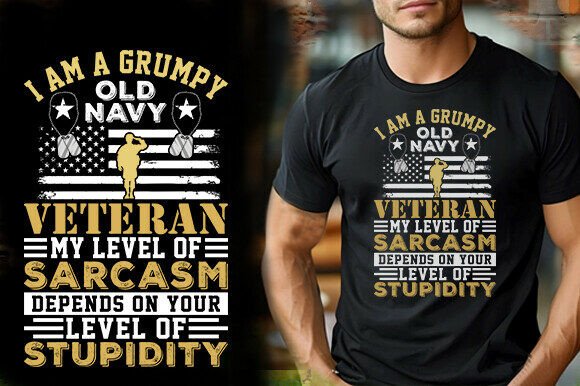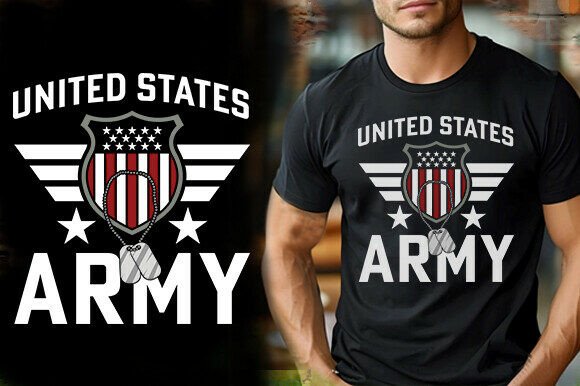
Reviewing the United States Army Tshirt Design for Embroidery
As a designer who has spent countless hours digitizing and stitching machine embroidery design files, I have learned that not every graphic translates well to thread. When I first opened the UNITED STATES ARMY TSHIRT DESIGN, my immediate goal was to determine if this asset held up under the scrutiny of real-world production. This is not just about aesthetics on a screen; it is about how the design behaves when needle meets fabric. For Etsy sellers, craft business owners, and apparel decorators, understanding these nuances is the difference between a returned item and a loyal customer.
First Impressions: Mood and Visual Personality
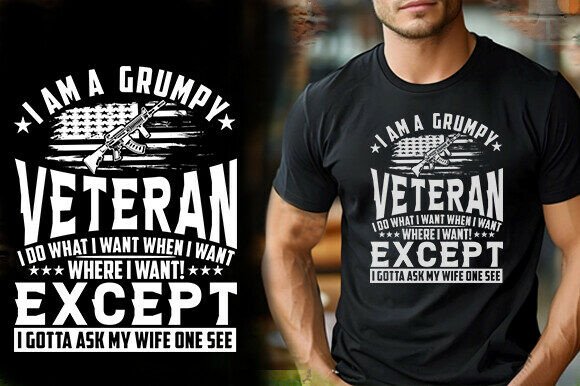
The initial view of the UNITED STATES ARMY TSHIRT DESIGN suggests a bold, patriotic theme. The layout appears structured, likely relying on strong lines and recognizable military iconography. In the context of T-Shirt Designs and Graphics, this type of imagery usually commands respect and evokes a sense of pride. However, from an embroidery perspective, I look closely at the detail level. Is there too much fine text? Are the shapes closed and clean?
The mood created here is one of durability and honor. This visual personality fits naturally into projects meant for veterans, active duty personnel, or their families. It does not feel like a fleeting trend but rather a timeless tribute. For a handmade product, this emotional connection is vital. Customers are not just buying a shirt; they are buying a statement. The design’s clarity in its vector form suggests it could translate well into satin stitch borders or fill stitch backgrounds, provided the digitizer has optimized the pathing correctly.
Real-World Application: Beyond the T-Shirt
While the product title specifies a t-shirt, my experience tells me that versatile design assets should be tested across various substrates. I recently considered this design for a custom embroidered tote bag intended as a holiday gift for a retired sergeant. The sturdy canvas of a tote bag handles higher stitch density better than a thin cotton tee. In this scenario, the UNITED STATES ARMY TSHIRT DESIGN served as the central focal point.
I also evaluated its potential for sweatshirt embroidery. A fleece or heavy cotton blend provides a stable surface that prevents puckering, a common issue with dense military-style graphics. The design’s bold nature stands out beautifully against heather grey or navy fabrics. For smaller items, such as a baby embroidery project on a onesie, caution is required. If the design includes intricate details or small lettering, it may lose definition on such a small scale. In those cases, scaling down the design while maintaining stitch integrity is crucial.
Another viable application is the embroidered patch. Patches allow for high-density stitching on a stabilizer-heavy background, which can enhance the crispness of the UNITED STATES ARMY TSHIRT DESIGN. This approach is ideal for commercial embroidery projects where durability and a professional finish are paramount. Whether used on a cap, an apron, or a pillow cover, the key is matching the design’s complexity to the fabric’s texture.
Technical Considerations and Fabric Challenges
Every embroidery project presents unique challenges. When working with the UNITED STATES ARMY TSHIRT DESIGN, I pay close attention to fabric texture and stretch. Thin or stretchy fabrics, such as performance tees, require careful stabilization. Without a proper cut-away stabilizer, the weight of the thread can cause the garment to distort, ruining the finished product.
Dark fabrics present another hurdle. If the design relies on light thread colors, I must ensure there is no gap in the coverage that would reveal the dark fabric underneath. This often requires an underlay stitch strategy that a skilled digitizer would have included in the embroidery file. For curved surfaces like caps, the design must be centered perfectly. Any asymmetry in the UNITED STATES ARMY TSHIRT DESIGN will be immediately noticeable on a structured hat.
Detailed corners and tiny lettering are areas where many designs fail. If this graphic includes small text, I recommend testing it on scrap fabric first. Running stitch elements might look clean on screen but can appear sparse or messy if the tension is not adjusted. I always advise checking the stitch density. Too dense, and the fabric becomes stiff; too sparse, and the backing shows through. Finding this balance is essential for maintaining the professional look of your small shop product.
Enhancing Brand Value and Customer Trust
Using a high-quality design like the UNITED STATES ARMY TSHIRT DESIGN directly impacts your brand consistency. When customers receive a personalized gift that looks professionally stitched, their trust in your craft business grows. This design, with its clear thematic focus, helps in creating a cohesive collection for veteran army tshirt and best veteran shirts categories.
Visual appeal drives buyer engagement. A crisp, well-executed embroidery job stands out in printable mockup previews and digital embroidery file listings. It signals to the Etsy seller’s audience that quality is a priority. Furthermore, the recognition factor of military symbols can increase the perceived value of the item. People are willing to pay more for a product that accurately and respectfully represents their service or heritage. This design, when executed well, supports that premium positioning.
Practical Notes for the Embroidery Designer
Before launching into full production with the UNITED STATES ARMY TSHIRT DESIGN, I follow a strict checklist. First, I verify the license terms. Since this is a commercial asset, confirming whether it allows for unlimited sales of finished items is critical. Do not assume; check the documentation provided with the digital embroidery file.
- Test on Scrap Fabric: Always run a test stitch-out on the same material you plan to use for the final product. This reveals tension issues and color clashes.
- Check Thread Color Contrast: Ensure your thread colors pop against the fabric. Use a color chart to simulate the look before threading the machine.
- Review Stitch Density: Look at the simulation mode in your software. Are there areas that look too solid? These might need editing to reduce bulk.
- Confirm Hoop Size: Make sure the design fits within your available hoop size without needing excessive re-hooping, which can lead to misalignment.
- Inspect Small Details: Zoom in on any fine lines. If they are thinner than the needle width, they will not stitch out correctly.
- Mockup Testing: Create black and white mockups to check for contrast and readability without the distraction of color.
- Stabilizer Selection: Choose the right stabilizer for the fabric. Cut-away for knits, tear-away for wovens, and wash-away for delicate items.
Finally, remember that while the UNITED STATES ARMY TSHIRT DESIGN is marketed for POD markets, its true potential lies in tangible, handmade creations. Whether you are creating a boutique branding item or a simple holiday embroidery piece, the care you put into the stitching process reflects on the final product. Take the time to understand the applique design or standard stitch types used. If the file includes satin stitch elements, ensure your machine is calibrated for smooth edges. If it uses fill stitch, check for consistent coverage.
In conclusion, this design offers a strong foundation for various embroidery projects. It respects the subject matter and provides a versatile layout for custom apparel and accessories. By approaching it with a designer’s eye for detail and a crafter’s respect for materials, you can create items that truly resonate with your audience. Always prioritize quality over speed, and let the craftsmanship speak for itself.