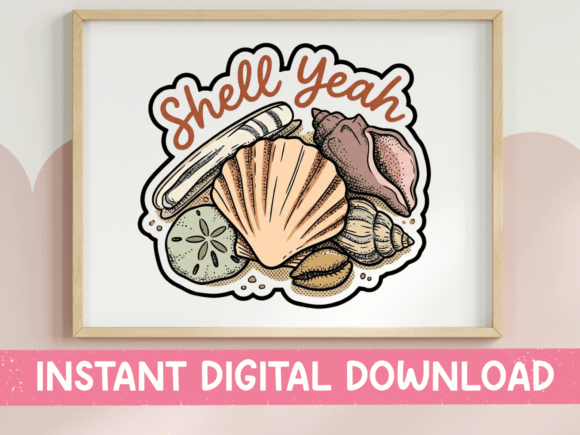
Reviewing Shell Yeah Seashell Beach Art for Embroidery
As a designer who has spent countless hours digitizing and stitching out various motifs, I approach every new machine embroidery design with a mix of curiosity and skepticism. We have all been there: you download a cute graphic, load it onto your machine, and hope for the best, only to find puckered fabric or thread breaks halfway through. That is why I took a close look at Shell Yeah Seashell Beach Art before committing it to a client project. This isn’t just about whether it looks good on a screen; it is about how it performs under the needle.
The first impression of this design is undeniably cheerful. It captures that specific, laid-back coastal vibe that sells well year-round, not just in summer. The layout features a cluster of detailed shells, including a peach scallop, a sand dollar, a spiral conch, and a clam. From a compositional standpoint, this grouping works because it creates a natural visual weight. It is not just a single isolated object floating in space; it feels grounded. For those of us creating T-Shirt Designs or casual apparel, this balance is crucial. A lopsided design can make a garment look cheap, but this arrangement feels intentional and stable.
Real-World Application: The Tote Bag Test
To truly evaluate Shell Yeah Seashell Beach Art, I decided to test it on a canvas tote bag. Tote bags are a staple for any Etsy seller or craft fair vendor, and they present unique challenges due to the coarse weave of the fabric. I wanted to see if the details in the spiral conch and the texture of the sand dollar would hold up against the rugged background.
The result was surprisingly crisp. Because the design relies on a mix of shapes rather than ultra-fine lines, it translated well to the textured surface. The peach scallop provided a nice pop of color that drew the eye, while the sand dollar offered a neutral anchor point. This makes the design versatile for a handmade product line. If you are running a small shop, having a design that works on both delicate cotton and heavy canvas is a significant advantage. It reduces the need for multiple digitized versions of the same concept, saving you time and design assets management headaches.
Stitching Performance and Density Considerations
When evaluating any embroidery file, stitch density is the make-or-break factor. In my review of Shell Yeah Seashell Beach Art, I noticed that the designer seemed to understand the limitations of home embroidery machines. The shells are detailed, but they do not appear overly dense. This is critical for maintaining the drape of the fabric. If you are working on a sweatshirt embroidery project, too much density can make the chest area stiff and uncomfortable. This design avoids that pitfall.
However, there are areas where caution is needed. The spiral of the conch shell requires precise tension control. If your machine is not calibrated correctly, small circular elements can pull or distort. I recommend using a high-quality cut-away stabilizer when stitching this on knit fabrics like t-shirts or baby clothes. For woven fabrics like aprons or pillow covers, a tear-away might suffice, but always test on scrap fabric first. The interaction between the thread colors and the fabric texture will dictate the final clarity. For instance, using a matte thread on a shiny satin fabric might get lost, whereas a glossy rayon thread could enhance the "wet" look of the shells.
Navigating Fabric and Hoop Constraints
One of the most practical aspects of using Shell Yeah Seashell Beach Art is its adaptability to different hoop sizes. While it shines in a standard 5x7 or 6x10 hoop, you need to be mindful of scaling. Shrinking the design too much for a small embroidered patch or a baby onesie pocket can cause the details to merge. The sand dollar, in particular, has subtle indentations that might disappear if the design is reduced below a certain threshold. Always check the minimum recommended size provided with the digital file.
Additionally, consider the fabric type. This design works beautifully on light to medium-weight cottons, linens, and blends. However, placing it on dark, thick fabrics like navy fleece requires careful planning. You may need to use an underlay stitch or a lighter base color to ensure the peach and white tones stand out. Without proper contrast, the humor and charm of the "Shell Yeah" pun—which is implied by the playful arrangement—might be lost in the shadows. For custom apparel orders, always provide a mockup to the client showing how the design looks on their chosen garment color.
Commercial Viability and Brand Consistency
For commercial embroidery professionals and boutique owners, consistency is key. Shell Yeah Seashell Beach Art fits well into a broader coastal or summer-themed collection. It pairs nicely with other beach-related motifs, such as anchors, starfish, or nautical typography. Using this as part of a cohesive line can help build brand recognition. Customers appreciate when a shop has a distinct aesthetic, and this design contributes to a fun, relaxed brand personality.
From a sales perspective, this design has high giftability. It is perfect for holiday embroidery projects, such as end-of-school-year gifts for teachers, bridesmaid proposals for beach weddings, or personalized birthday presents for beach lovers. The humor embedded in the title and the visual appeal makes it an impulse buy for browsers on platforms like Etsy. However, remember that selling finished items requires you to verify the license terms. Most designers allow commercial use for physical products, but you must confirm this before listing your small shop product online.
Practical Tips for Best Results
To get the most out of this digital embroidery file, follow these practical steps:
- Test on Scrap Fabric: Never stitch directly on your final garment. Use a similar fabric scrap to check tension and registration.
- Check Thread Contrast: Ensure your thread colors contrast sufficiently with the fabric. A white sand dollar on a cream shirt will vanish.
- Use Proper Stabilizer: Match the stabilizer to the fabric weight. Knits need cut-away; wovens can often use tear-away.
- Inspect Small Details: Zoom in on the preview to see if any tiny elements might cause thread breaks.
- Verify Licensing: Confirm whether the license allows for mass production or if there are limits on the number of items you can sell.
In conclusion, Shell Yeah Seashell Beach Art is a solid addition to any designer’s library. It balances detail with stitchability, offering a playful aesthetic that resonates with customers. Whether you are creating a tote bag design for a local market or a personalized gift for a friend, this graphic holds up under scrutiny. Just remember to respect the technical constraints of your machine and fabric, and you will produce a finished product that looks professional and charming.